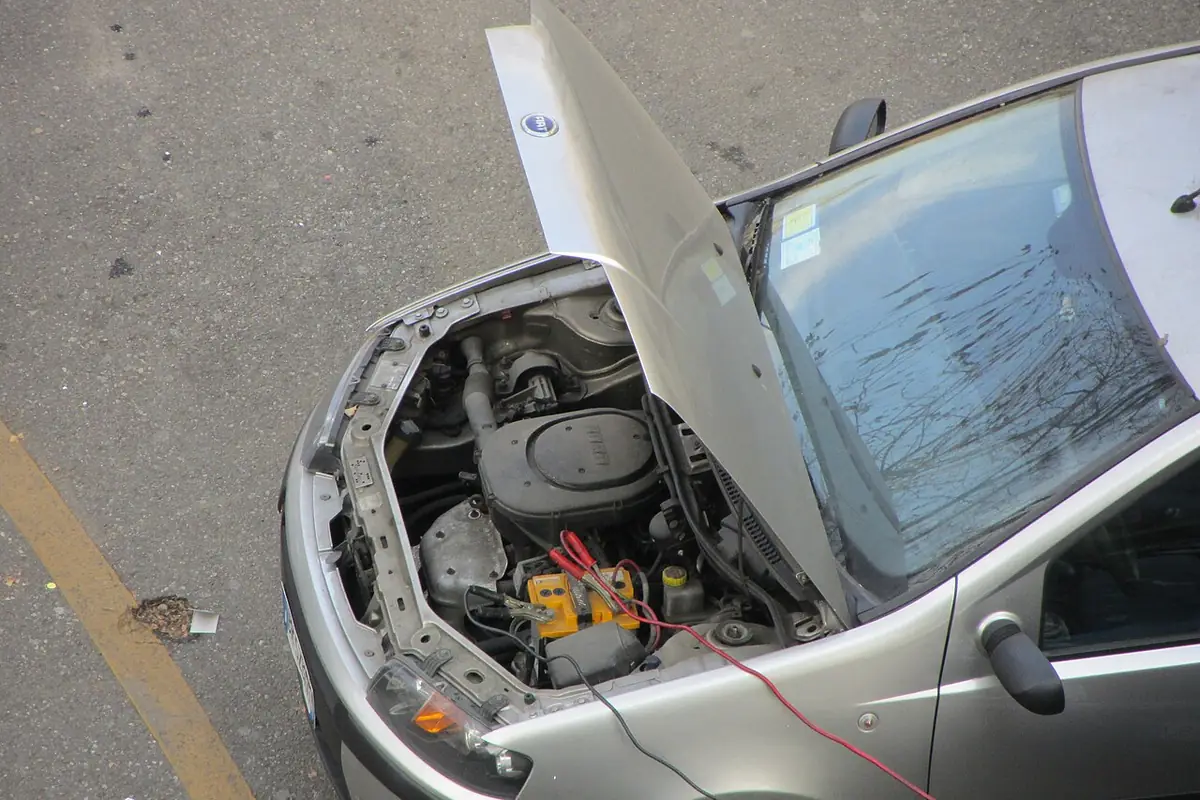
Heat speeds up the chemistry inside a lead-acid battery. That includes the bad chemistry: grid corrosion, water loss and the slow breakdown of the plates. A Tampa Bay summer does more lasting damage than a northern winter. Winter only makes a weak battery obvious. Summer is what made it weak.
What heat actually does
A car battery is lead plates sitting in sulfuric acid. When it's hot, every reaction in there runs faster. Some of that is useful, which is why a hot battery can feel strong. Most of it isn't.
The positive grids corrode. The metal framework holding the active material slowly eats itself, and heat makes it go faster. Once enough of the grid is gone, the battery can't deliver current no matter how charged it is.
Water leaves. In a standard flooded battery, heat drives off water from the electrolyte. Sealed batteries still lose some. Lower electrolyte means exposed plates and lost capacity.
Self-discharge goes up. A hot battery loses charge faster while the car sits. If it sits partly charged, sulfate hardens on the plates.
None of these reverse. Each summer takes a bite.
Under the hood is hotter than outside
It's not 92 degrees under your hood. After a drive on I-275 in July with the A/C going, the engine bay is a lot hotter than the air, and a car parked in an open lot at Westshore or the outlets gets baked from above too. A lot of manufacturers move the battery out of the engine bay or wrap it in a heat shield for this reason. If your car came with a shield or a vent tube, keep it on.
Why batteries die in October
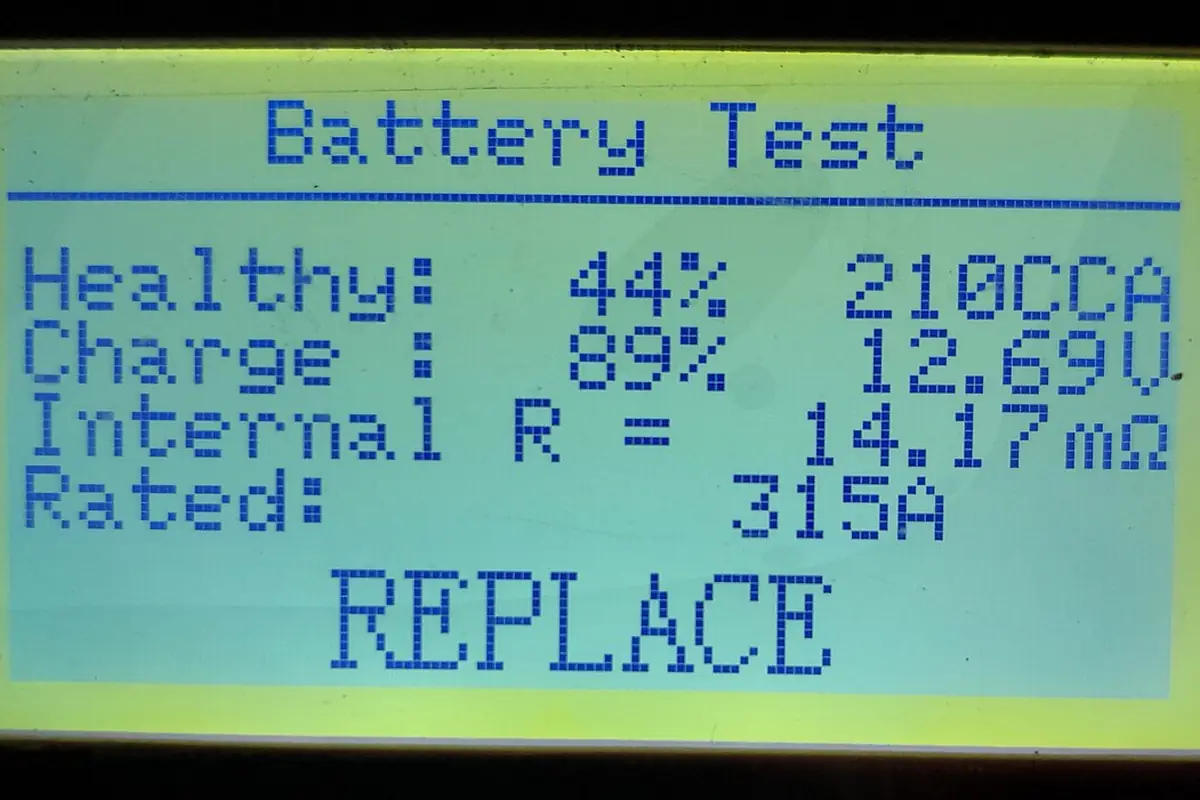
Here's the pattern we see. A battery takes a beating all summer. It still starts the car because a warm engine is easy to crank. Then the first cool mornings show up, oil is thicker, the battery's own output drops a bit in the cold, and suddenly it can't do it.
So the battery dies in fall or on a chilly January morning, and it looks like the cold did it. The heat did it. The cold just sent the bill.
How long batteries last here
There's no honest single number, but three summers is a fair rule of thumb for a lot of batteries in Tampa Bay, which is shorter than many people expect from what they hear up north. Driving habits, battery type and where the car parks all move that number around. How long batteries last in Florida goes into the details.
What helps
You can't move the car out of Florida, but you can tilt the odds a little.
- Park in shade or a garage when you can. Even a parking deck's covered levels make a difference on a long day.
- Keep heat shields and vent tubes in place. If a previous battery swap left them off, have them put back.
- Drive long enough to recharge. Short hops leave a hot battery partly charged, which is the worst combination. See short trips and your battery.
- Keep the terminals clean and tight. Resistance means heat and lost charge. Battery corrosion.
- Use the right battery. AGM batteries generally tolerate heat and deep cycling better than standard flooded ones, and start-stop cars require AGM or EFB anyway. AGM vs. flooded.
- Test before summer ends. A test in August or September catches the weak ones before the first cool morning does.
Does a battery die faster parked or driving?
Parked in the sun with nothing charging it is worse. A battery that's driven regularly stays near full charge, which protects the plates. A battery that sits hot and half-empty for weeks degrades fast. That's why the airport long-term lots and seasonal homes produce so many dead cars. Leaving your car parked for weeks.
Signs the heat is catching up
Slow cranking after the car sits, a start-stop system that quit working, a swollen case, a battery that needs water often if it's the kind you can open. Any of those in late summer is worth a test. Signs your battery is dying has the full list.
What we do
When we come out, we test the battery and the charging system first. A battery that's been heat-damaged usually shows it under load even when the voltage reads fine at rest. If it's still good, we say so. If it's on the way out, we show you the result and give you the price before we touch anything.
Other things people ask about this
Do car batteries really last less in Florida?
Generally, yes. Heat speeds up corrosion and water loss inside the battery, so many batteries here wear out sooner than the same battery would in a cooler state.
Will parking in a garage help my battery?
Yes, it helps. Keeping the car out of direct sun lowers how hot the battery gets, especially on long workdays.
Why did my battery die on the first cold morning?
The summer weakened it, and the cold morning asked for more than it had left.